
Shilajit: Origin, Natural Sources, Benefits, and Why It Has Been Valued for Centuries
The Ultimate Guide to Himalayan Shilajit and Natural Sources Worldwide
Shilajit is one of nature’s most remarkable substances, prized for thousands of years in traditional wellness systems. Often referred to as “the destroyer of weakness” in ancient Ayurvedic texts, Shilajit is a naturally occurring mineral-rich resin that emerges from mountain rocks after centuries of biological and geological transformation.
Today, Shilajit has gained worldwide recognition due to its unique composition, including fulvic acid, humic substances, trace minerals, antioxidants, and bioactive compounds that may support overall health and vitality.
In this comprehensive guide by World of Shilajit, we explore where Shilajit comes from, how it forms naturally, its global sources, and its potential benefits.
What Is Shilajit?
Shilajit is a sticky, tar-like resin that naturally seeps from cracks in mountain rocks during warm temperatures. It is formed over hundreds to thousands of years through the gradual decomposition of plant material and organic matter trapped within layers of rock.
The resulting substance is rich in:
- Fulvic Acid
- Humic Acid
- More than 80 trace minerals
- Antioxidants
- Amino acids
- Bioactive compounds
High-quality Shilajit typically appears dark brown to black and becomes softer when heated.
How Does Shilajit Form?
The formation of Shilajit is a fascinating natural process.
Over centuries, medicinal plants, herbs, microorganisms, and organic matter become compressed between mountain rock layers. Under the influence of pressure, microbial activity, mineralization, and temperature changes, these organic materials gradually transform into a nutrient-dense resin.
During warmer months, this resin slowly emerges through cracks in mountain rocks, where it is carefully collected and purified.
Where Does Shilajit Come From?
1. Himalayan Mountains (Most Famous Source)
The Himalayan mountain range is considered the world’s most renowned source of premium Shilajit.
The Himalayas stretch across:
- Pakistan
- India
- Nepal
- Bhutan
- Tibet
Due to the region’s rich biodiversity, high altitude, and unique geological conditions, Himalayan Shilajit is often regarded as one of the highest-quality forms available.
Many traditional Ayurvedic practitioners specifically seek Himalayan Shilajit because of its mineral content and long historical use.
Areas Known for Himalayan Shilajit
- Gilgit-Baltistan, Pakistan
- Skardu Region
- Hunza Valley
- Kashmir
- Nepal Himalayas
- Uttarakhand Himalayas
- Tibetan Plateau
Other Natural Sources of Shilajit Around the World
Although the Himalayas are the most famous source, Shilajit is not exclusive to this region.
2. Altai Mountains (Russia and Mongolia)
The Altai Mountains produce a form often known as Altai Shilajit or Mumijo.
Characteristics include:
- High mineral content
- Dark coloration
- Long history in traditional Siberian medicine
3. Caucasus Mountains
The Caucasus region between Europe and Asia also contains natural Shilajit deposits.
Countries include:
- Georgia
- Armenia
- Azerbaijan
- Southern Russia
The mountainous terrain provides conditions similar to those found in other Shilajit-producing regions.
4. Pamir Mountains (Central Asia)
The Pamir Mountains span:
- Tajikistan
- Afghanistan
- Kyrgyzstan
This region is another recognized source of naturally occurring Shilajit.
5. Andes Mountains (South America)
Researchers have identified mineral-rich resin-like substances in parts of the Andes Mountains.
While less commercially known than Himalayan varieties, these formations share some characteristics with traditional Shilajit.
Why Is Himalayan Shilajit Considered Special?
Several factors contribute to the popularity of Himalayan Shilajit:
Rich Biodiversity
Thousands of medicinal plants grow in Himalayan ecosystems.
High Altitude Environment
Extreme temperatures and geological conditions may contribute to the formation process.
Traditional Use
Ayurvedic medicine has utilized Himalayan Shilajit for centuries.
Mineral Density
Many consumers seek Himalayan Shilajit because of its naturally occurring trace minerals and fulvic acid content.
Potential Benefits of Shilajit
1. Supports Natural Energy Production
Shilajit is widely used to help support cellular energy production.
Fulvic acid may assist in transporting nutrients within the body, helping maintain energy levels and reduce feelings of fatigue.
2. Supports Healthy Aging
Shilajit contains antioxidants that help combat oxidative stress caused by free radicals.
This antioxidant activity may support healthy aging and overall wellness.
3. Supports Cognitive Function
Traditional wellness systems have long used Shilajit to support:
- Mental clarity
- Focus
- Memory
- Cognitive performance
4. Supports Physical Performance
Athletes and active individuals often use Shilajit as part of their wellness routine.
Potential benefits may include:
- Enhanced stamina
- Improved endurance
- Better recovery after exercise
5. Rich Source of Trace Minerals
Shilajit naturally contains essential minerals including:
- Iron
- Magnesium
- Zinc
- Copper
- Potassium
- Calcium
These minerals play important roles in numerous biological processes.
6. Supports Men’s Health
Shilajit has traditionally been used to support:
- Vitality
- Strength
- Reproductive health
- Overall wellness
Several modern studies have explored its role in supporting healthy testosterone levels in men.
7. Supports Immune Health
The combination of minerals, antioxidants, and bioactive compounds may contribute to overall immune system support.
8. Supports Nutrient Absorption
Fulvic acid is believed to assist in the transport of nutrients, potentially improving the body’s ability to utilize vitamins and minerals.
9. Supports Healthy Recovery
Many users report feeling better recovery and reduced fatigue after physical activity when incorporating Shilajit into their wellness routine.
Key Components Found in Quality Shilajit
Fulvic Acid
One of the most important active compounds.
Humic Acid
Supports the natural composition of Shilajit.
Trace Minerals
Over 80 minerals occur naturally in Shilajit.
Antioxidants
Help protect cells from oxidative stress.
How to Identify High-Quality Shilajit
When purchasing Shilajit, consider:
- Source transparency
- Purification process
- Laboratory testing
- Heavy metal screening
- Authenticity verification
Pure Shilajit should:
- Dissolve in warm water
- Have a dark brown to black appearance
- Become softer when heated
- Be free from artificial additives
Conclusion
Shilajit is one of nature’s most fascinating mineral-rich substances. While the Himalayan Mountains remain the most famous source, natural Shilajit can also be found in the Altai, Caucasus, Pamir, and other mountain regions around the world.
Rich in fulvic acid, trace minerals, antioxidants, and bioactive compounds, Shilajit has been valued for centuries for supporting energy, vitality, physical performance, cognitive health, and overall wellness.
As interest in natural health solutions continues to grow worldwide, authentic, properly purified Shilajit remains one of the most sought-after natural supplements available today.
About World of Shilajit
World of Shilajit is dedicated to educating consumers about authentic Shilajit, its origins, traditional uses, quality standards, and wellness benefits. Follow World of Shilajit on Facebook and Instagram for expert insights, educational content, and updates about premium Himalayan Shilajit.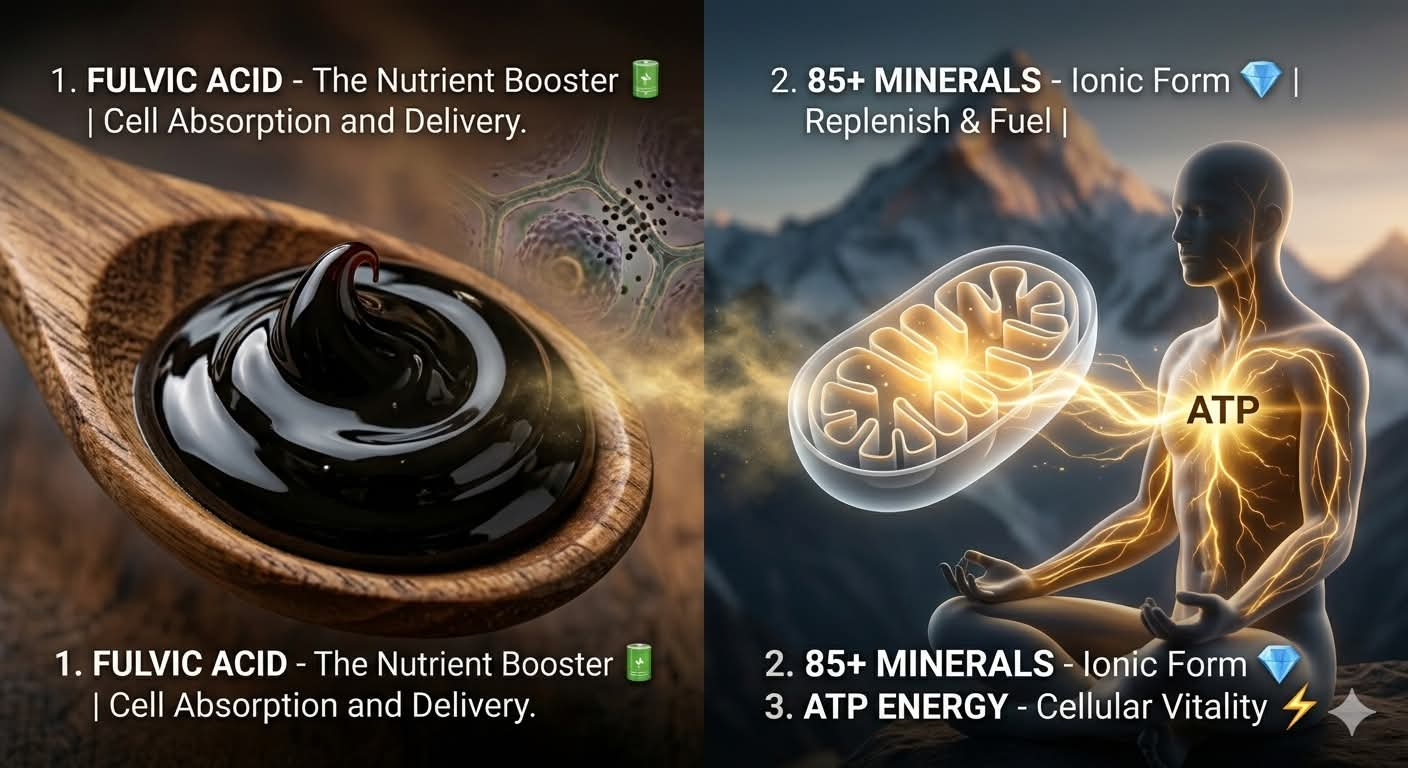

Leave A Comment